PRISM Recovery

Mobile App · iOS & Android

Mobile App · iOS & Android
PRISM is a virtual care program developed by experts at Mount Sinai Hospital in New York City — one of the nation's leading medical centres. The app supports patients on their health recovery journey by connecting them with dedicated care partners, tracking vital health data, and providing personalised guidance throughout the recovery process. Previously known as Precision Recovery.
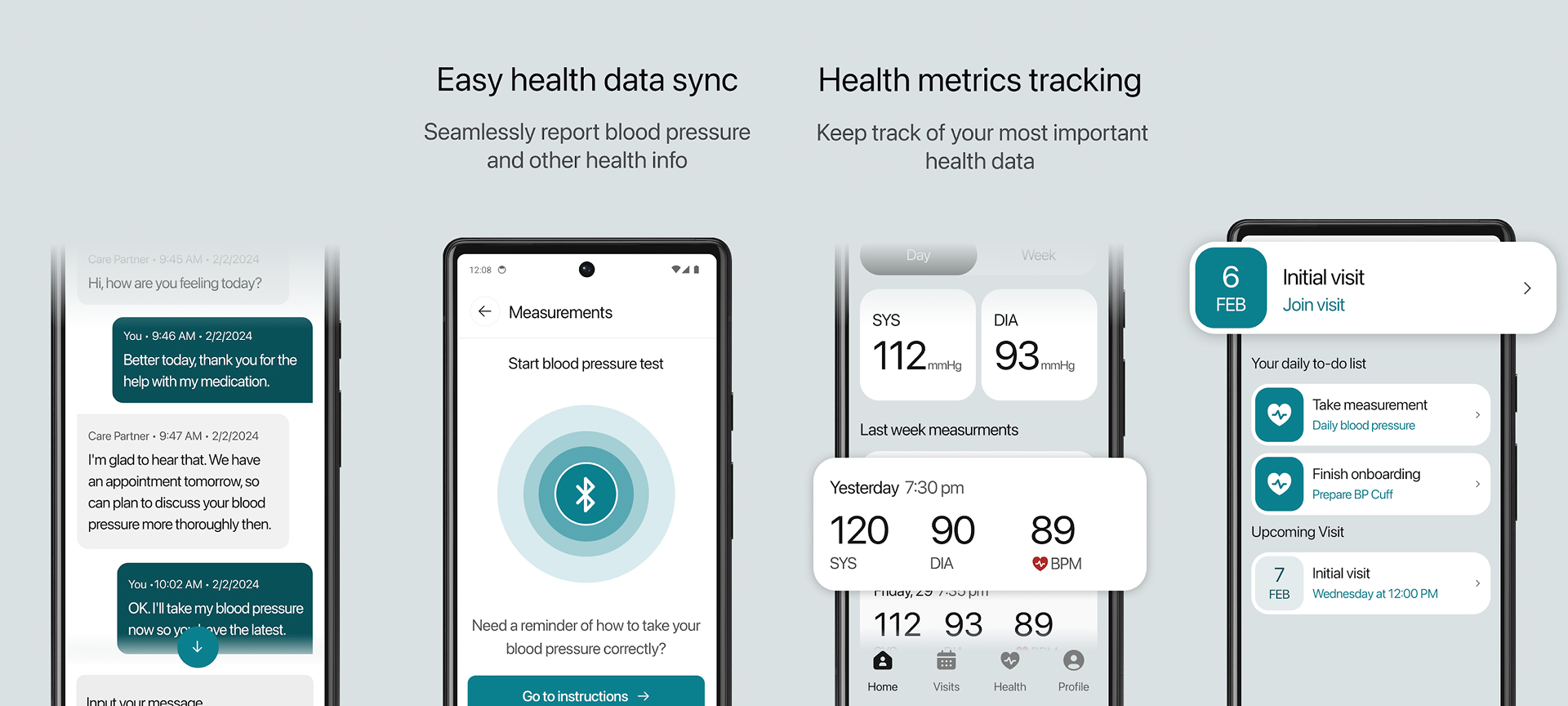
Inherited a React Native codebase for a healthcare application used by real patients at one of the leading medical centres in the United States. The app had accumulated technical debt — outdated libraries, broken integrations, and features that no longer worked as intended. The stakes were higher than a typical project: this app handles patient health data, communicates with medical devices, and connects directly with care partners. Nothing could be approximate.
The app relied on a private third-party library for measuring heart rate through the phone's camera. The library had bugs in its native code and was incompatible with the current version of React Native. Fixing it required working directly in native iOS and Android code, identifying the issues in the library's internals, patching them, and ensuring the patched version worked reliably with the rest of the app. Not the kind of problem you solve by reading documentation — the documentation didn't cover what was broken.
Integrated Bluetooth-enabled medical devices for measuring blood pressure and blood oxygen levels. This involved device scanning and pairing compliant with both Google Play and App Store Bluetooth policies, real-time data collection during measurements with live progress updates on screen, and formatting the collected data for submission to the backend. Each device type had its own communication protocol and data format, and the entire flow had to feel seamless to a patient who may not be technically inclined.
Beyond the two major integrations, the work included updating outdated libraries across the project, restructuring the questionnaire system with new layout components and additional input options, fixing the signature capture functionality for patient consent forms, and aligning the authentication layer with backend changes. After all modifications were complete, new builds were prepared and submitted to both App Store and Google Play.